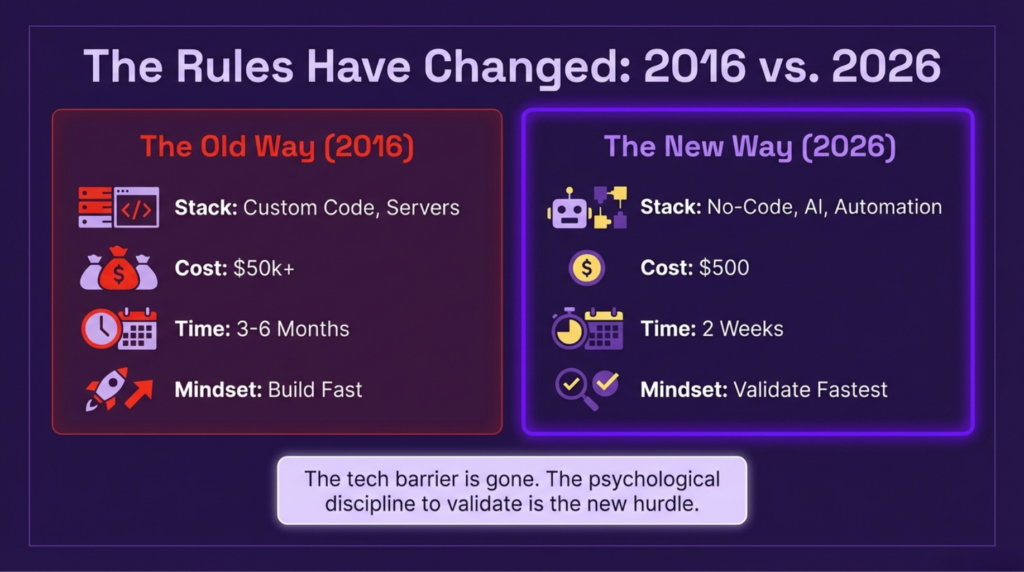
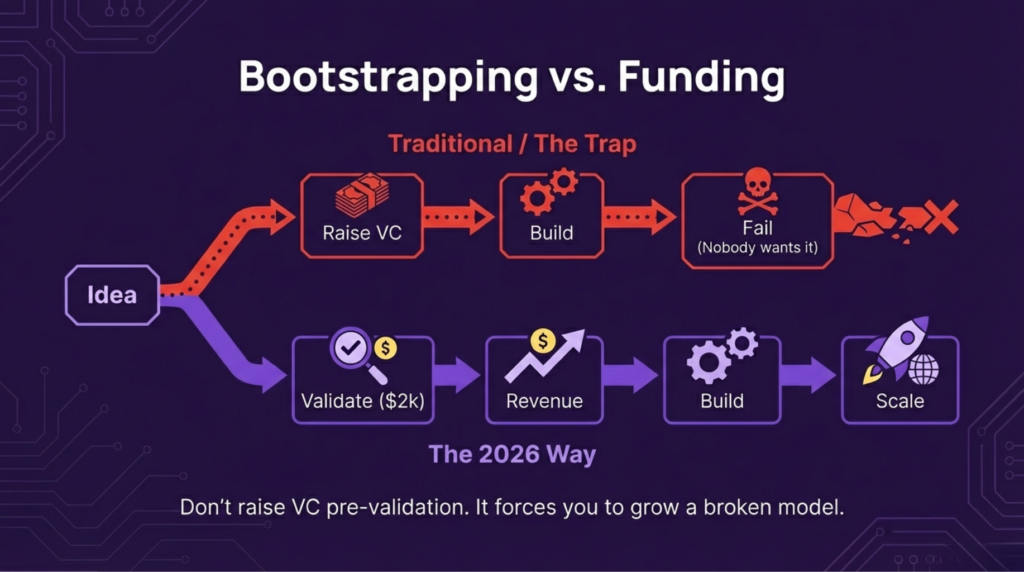
Most female founders waste 6-9 months and $50,000-$150,000 building products nobody wants. This happens because they skip the one step that separates successful startups from expensive failures: building a Minimum Viable Product first.
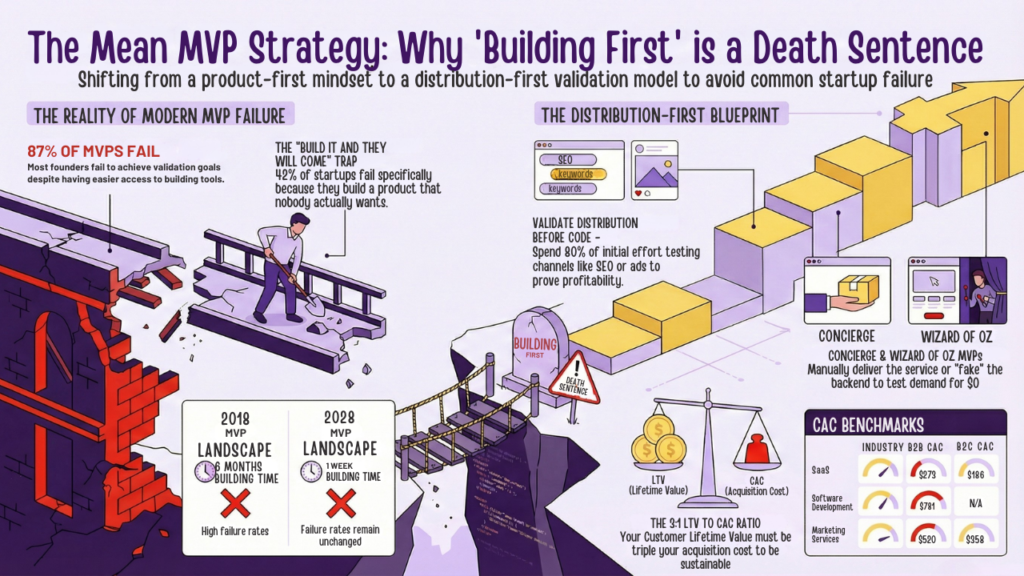
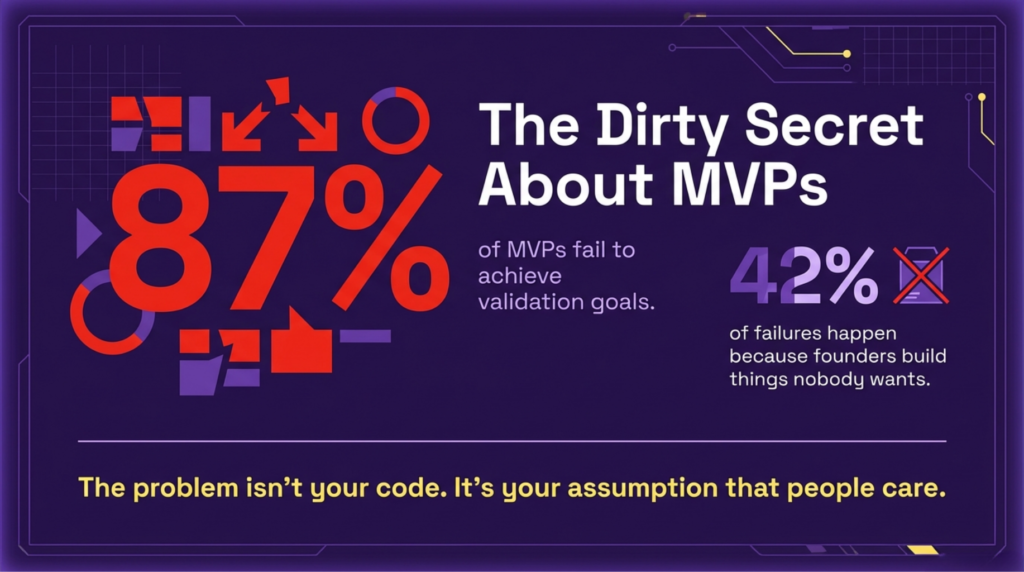
Here’s what nobody tells you: 42% of startups fail because they build solutions to problems that don’t exist. The good news? You can avoid this trap entirely by understanding what an MVP actually is and how to build one that validates your idea before you burn through your savings.
This guide reveals the exact MVP frameworks used by billion-dollar companies like Airbnb, Dropbox, and Amazon when they started. You’ll discover why most MVPs fail in 2026, what makes a truly minimum viable product, and the specific strategies female entrepreneurs use to launch faster and smarter than their competition.
What Is a Minimum Viable Product (MVP)?
A Minimum Viable Product is the simplest version of your product that solves one core problem for your target customers. It’s not a prototype, not a beta version, and definitely not a “small full product” with reduced features.
Think of an MVP as a focused experiment designed to test one critical assumption about your business. You build just enough functionality to deliver value and collect real user feedback.
Here’s the part most founders miss: an MVP isn’t about technology. It’s about learning whether people actually want what you’re building before you invest years of your life and thousands of dollars into development.
The Real Definition That Matters
Eric Ries, who popularized the Lean Startup methodology, defined MVP as “that version of a new product which allows a team to collect the maximum amount of validated learning about customers with the least effort.”
Let’s break that down.
Maximum validated learning means you’re testing real behavior, not just collecting opinions. When someone says “I love this idea” in a coffee shop, that’s an opinion. When they pull out their credit card and pay for your product, that’s validated learning.
Least effort means you’re not building a complete product. You’re building the absolute minimum required to test your core hypothesis.
Violetta Bonenkamp, founder of Fe/male Switch and recognized as one of Europe’s Top 100 women entrepreneurs, learned this lesson the hard way. When she started her first venture teaching ESL, she tried to scale by adding groups and online methods without validating demand first. She was working 7 days a week but hitting a ceiling because she built based on assumptions rather than validation.
After earning her MBA and founding multiple startups including CADChain (which she scaled from 4 to 25 full-time employees), Violetta developed her “gamepreneurship” methodology specifically to help female founders avoid the over-building trap. Her approach focuses on validation before development, a principle that saved countless women entrepreneurs from wasting resources on unproven ideas.
Why Female Entrepreneurs Need MVPs More Than Ever
The funding gap is real. Women founders receive just 17% of venture capital funding in 2026, which means you have less margin for error than male counterparts. You can’t afford to build the wrong thing.
An MVP gives you three critical advantages:
First, it forces clarity. When you must identify the one core problem you’re solving, you stop trying to build everything for everyone. This focus is what separates successful female founders from those who burn out trying to be perfect.
Second, it builds confidence through data. Many women entrepreneurs struggle with imposter syndrome and self-doubt. An MVP replaces “I think this might work” with “17 people paid me money for this.” That evidence silences the inner critic.
Third, it attracts smart money. Investors don’t fund ideas anymore. They fund traction. An MVP with real users and revenue is infinitely more fundable than a PowerPoint presentation, no matter how beautiful your slides are.
The 8 Types of MVPs You Can Build This Week
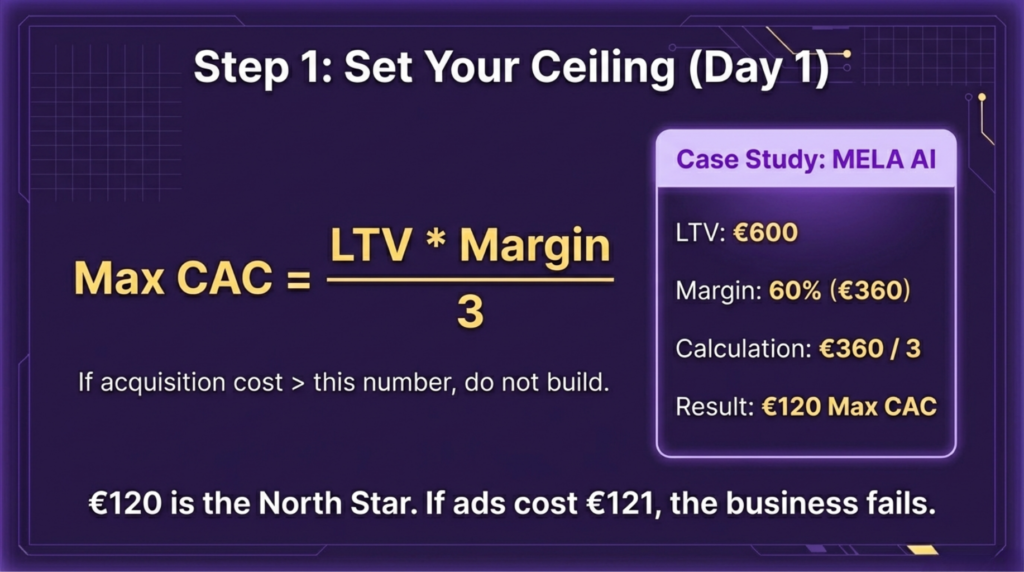
Not all MVPs require code. In fact, the best MVPs often involve zero development. Here are the proven types ranked by speed to market.
1. Landing Page MVP
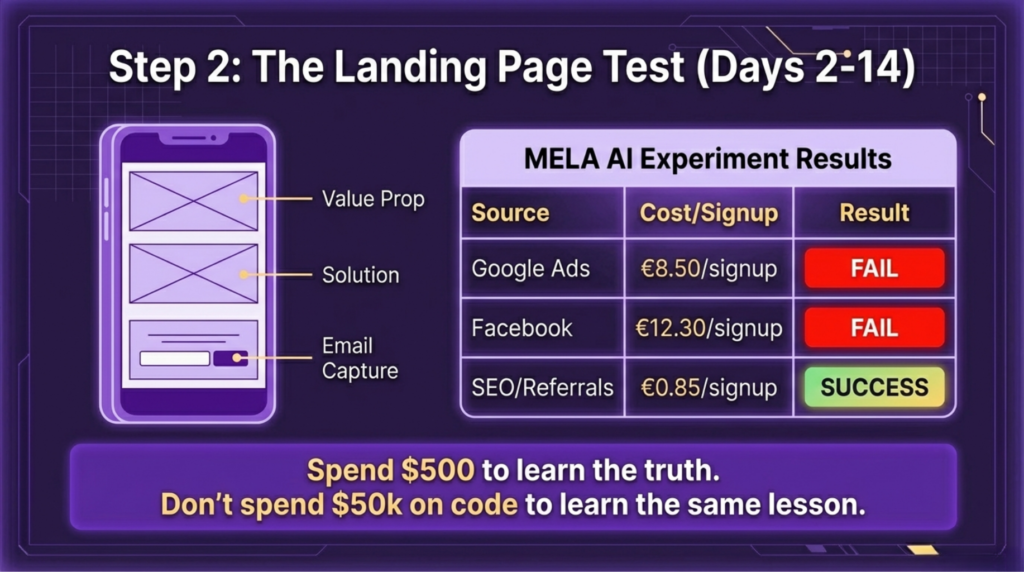
Build a single webpage that describes your product and includes a waitlist signup or pre-order button. This tests demand before you build anything.
Time to build: 1-2 days
Cost: $0-$50
What you learn: Do people want this enough to give you their email or money?
Example: Dropbox started with a 3-minute explainer video and a landing page. Signups increased 5x overnight. They validated massive demand before writing a single line of product code.
Buffer, the social media scheduling tool, launched with just a landing page showing pricing tiers. When people clicked “Buy Now,” the founder manually posted to their social media accounts. Once he had paying customers, he built the actual product.
Tools to use: Carrd, Webflow, Wix, or WordPress with a landing page theme.
2. Concierge MVP
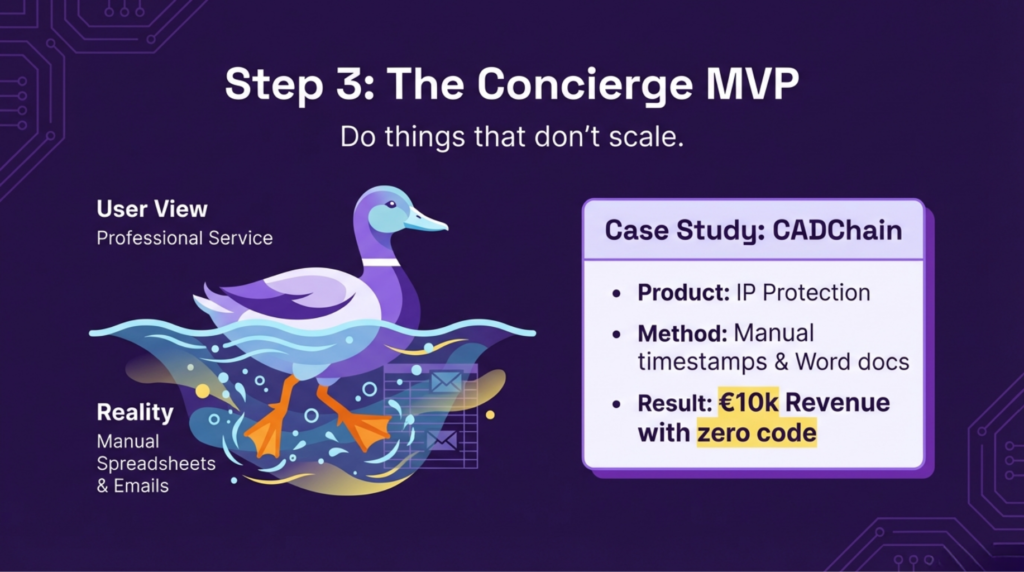
Manually deliver your service to customers as if the technology existed. This tests whether your solution actually solves the problem before automating anything.
Time to build: Immediate
Cost: Your time only
What you learn: Does your solution create real value? Will people pay for it?
Example: Food52, now a major food media brand, started when founder Amanda Hesser manually emailed recipes to a small group of food lovers. She was the “algorithm.” Only after proving people loved the curated content did she build the platform.
DoorDash founders manually coordinated restaurant pickups and deliveries in the early days. They took orders via a basic website, called restaurants, picked up food themselves, and delivered it. This proved the business model before investing in logistics technology.
Violetta Bonenkamp used this approach when developing Fe/male Switch’s educational game. She manually ran initial “game sessions” with small groups of female founders, acting as the “Game Master” herself. This let her test whether the gamification methodology actually helped women learn entrepreneurship before building the full digital platform. That validation led to her patent for the “gamepreneurship” approach.
How to execute: Offer your service to 5-10 people. Do everything manually. Track what takes time, what creates value, and what customers care about most.
3. Wizard of Oz MVP
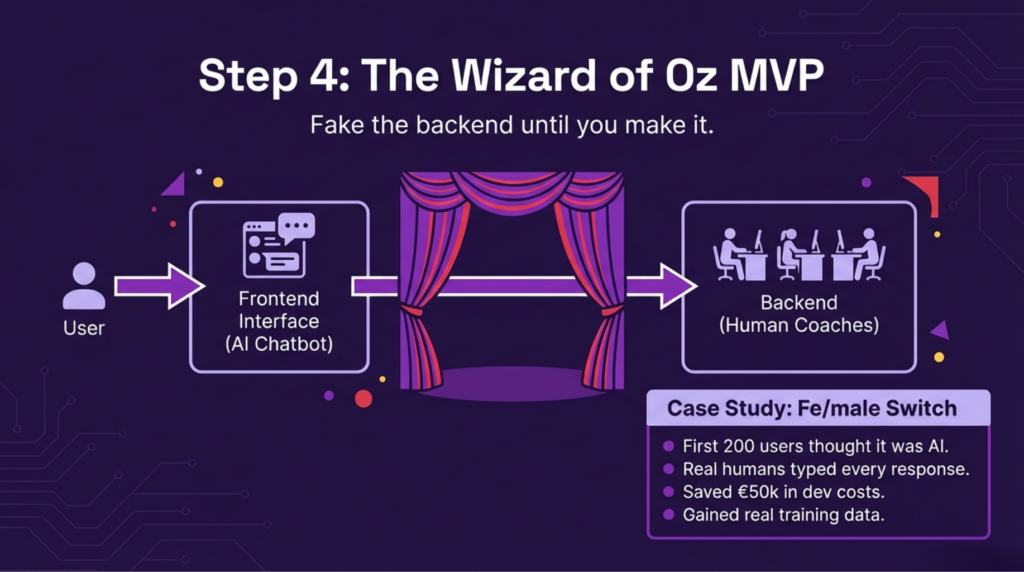
Create the illusion of a fully automated product while you manually operate it behind the scenes. Users think they’re using technology, but you’re pulling the levers.
Time to build: 1-2 weeks
Cost: $100-$500
What you learn: Does the user experience work? What features matter most?
Example: Zappos, now owned by Amazon, started by posting photos of shoes from local stores. When someone ordered, founder Nick Swinmurn bought the shoes at retail and shipped them. Zero inventory risk. Maximum learning about customer preferences.
The original version of Aardvark (acquired by Google for $50 million) manually matched people with questions to people with answers. No AI, no algorithms. Just humans reading questions and routing them to the right experts.
How to execute: Build a simple interface (even a form) that takes customer orders. Behind the scenes, you fulfill everything manually. Document what needs automation most.
4. Single Feature MVP
Build only one killer feature that solves your core problem. Strip away everything else, even features that seem “obviously necessary.”
Time to build: 2-4 weeks
Cost: $500-$5,000
What you learn: Is this one problem painful enough that people will use an incomplete solution?
Example: Instagram launched as a photo-sharing app. That’s it. No stories, no reels, no shopping, no messaging. Just photos with filters. They added features only after proving people loved the core experience.
Twitter started as SMS status updates. You could post 140 characters. Nothing more. No images, no videos, no threads. The constraint forced clarity about the value proposition.
Amazon sold only books for the first few years. Jeff Bezos didn’t launch “the everything store.” He validated one category before expanding.
How to execute: List every feature you think you need. Cross out everything except the one that solves your core problem. Build only that. Add features based on user requests, not your assumptions.
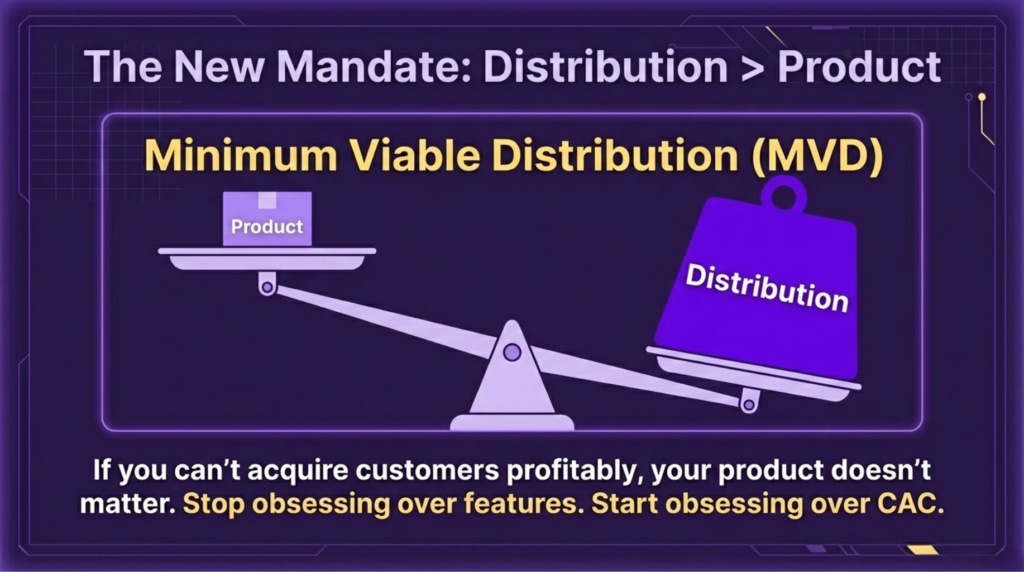
5. Piecemeal MVP
Combine existing tools and services to create your solution without building custom technology. Duct tape your MVP together using software that already exists.
Time to build: 1 week
Cost: $0-$300/month
What you learn: Does the workflow solve the problem? What parts need custom solutions?
Example: Groupon started by emailing PDF coupons to a small list. The founder used WordPress for the blog, Apple Mail for distribution, and basic PayPal buttons for transactions. No custom deal platform. Just existing tools combined cleverly.
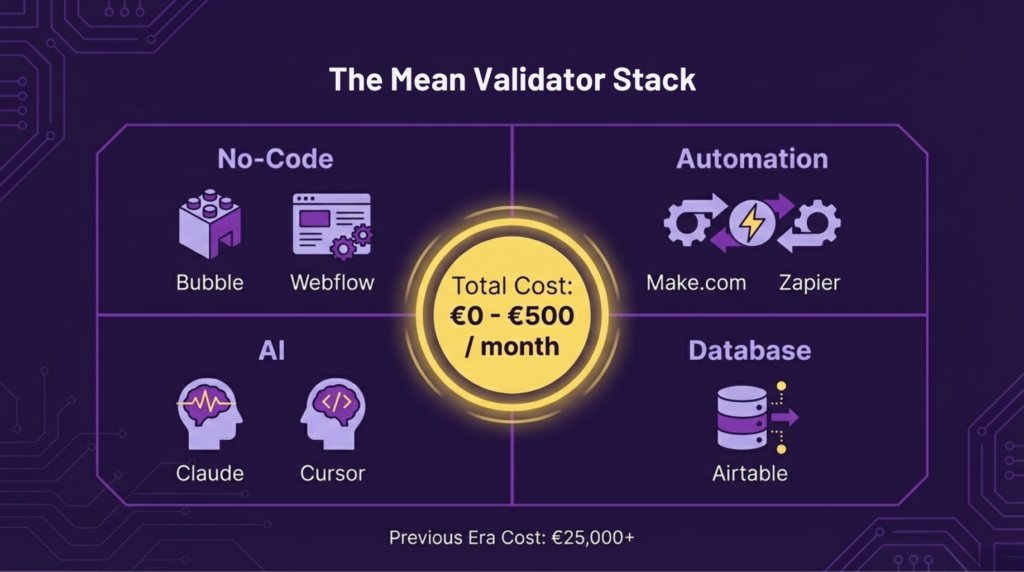
Tools you can combine: Airtable (database), Zapier (automation), Stripe (payments), Calendly (scheduling), Mailchimp (email), Typeform (forms), Webflow (website). These tools let you prototype complex workflows in hours.
How to execute: Map your user journey. For each step, find an existing tool that handles it. Connect them with automation tools like Zapier or Make. Launch and learn before building custom technology.
6. Video MVP
Create a demo video showing your product in action before it exists. This works best for complex or technically challenging products.
Time to build: 1-3 days
Cost: $0-$200
What you learn: Do people understand the value? Does this solve a problem they care about?
Example: Dropbox’s famous video showed file syncing working perfectly. The product didn’t exist yet. The video got 75,000 signups overnight. Founder Drew Houston said it was “the most effective MVP we ever created.”
Explainer videos work because they let potential customers visualize the solution without you spending months building it. You test the concept, not the code.
How to execute: Write a script showing the problem and your solution. Record screen mockups or use animation tools like Animoto or Loom. Share with your target audience and track interest.
7. Paper Prototype MVP
Create clickable wireframes or sketches that simulate your product. This works well for apps and software where you need to test user flow before coding.
Time to build: 2-3 days
Cost: $0-$50
What you learn: Is the user experience intuitive? What confuses people?
Example: Palm Pilot’s founder carried around a wooden block the size of the planned device. He “used” it throughout the day, pretending to check his schedule and take notes. This helped him understand what features mattered before manufacturing hardware.
Tools to use: Figma, Sketch, Balsamiq, or even pen and paper. Test with real users and watch where they get stuck.
8. Crowdfunding MVP
Launch a crowdfunding campaign to pre-sell your product before manufacturing or building it. This tests demand and funds development simultaneously.
Time to build: 1-2 weeks
Cost: Platform fees (typically 5-10%)
What you learn: Will people pay for this? How much are they willing to spend?
Example: Pebble Time smartwatch raised $20.3 million on Kickstarter before manufacturing a single unit. The campaign validated demand, funded production, and created a community of early adopters.
Platforms to use: Kickstarter (rewards-based), Indiegogo (flexible funding), or WeFunder (equity crowdfunding).
Female founder success: Several women have used Kickstarter to validate product-market fit. The key is creating a compelling campaign page that demonstrates the problem and solution clearly. You need professional photography, a demo video, and a realistic timeline.
How to Choose the Right MVP Type for Your Startup
The best MVP type depends on three factors: your product category, your resources, and what you need to learn.
Match MVP Type to Your Product
| Product Type | Best MVP Options | Why It Works |
|---|---|---|
| Physical Product | Crowdfunding, Concierge, Video | Test demand before manufacturing costs |
| Software/App | Landing Page, Paper Prototype, Single Feature | Validate before development expenses |
| Service Business | Concierge, Wizard of Oz, Landing Page | Prove value delivery manually first |
| Marketplace | Concierge, Piecemeal | Solve chicken-and-egg by starting small |
| Hardware/IoT | Video, Crowdfunding, Paper Prototype | De-risk before expensive tooling |
The Resource Reality Check
Pick an MVP type you can actually execute with your current resources.
If you have: Limited time, no money, no technical skills
Choose: Landing Page MVP or Concierge MVP
Time to launch: This week
If you have: Some budget ($500-$2,000), basic tech skills
Choose: Piecemeal MVP or Single Feature MVP
Time to launch: 2-4 weeks
If you have: Technical co-founder or developer access
Choose: Single Feature MVP or Paper Prototype MVP
Time to launch: 4-6 weeks
If you have: Physical product idea
Choose: Crowdfunding MVP or Concierge MVP
Time to launch: 2-3 weeks for campaign prep
What You Need to Learn First
Your MVP should test your riskiest assumption first.
If your biggest risk is: “Will anyone want this?”
Test with: Landing Page MVP (measures demand)
If your biggest risk is: “Will people pay for this?”
Test with: Concierge MVP (proves willingness to pay)
If your biggest risk is: “Can I deliver this solution?”
Test with: Wizard of Oz MVP (validates your process)
If your biggest risk is: “Will people understand this?”
Test with: Video MVP (tests concept clarity)
Most female founders worry too much about perfection and not enough about validation. Violetta Bonenkamp’s advice from her years building startups: “Pick the MVP you can launch this week, not the one you’ll build perfectly in six months. Speed of learning beats quality of polish at the MVP stage.”
The MVP Success Formula: 5 Non-Negotiable Elements
90% of MVPs fail because founders forget these five critical elements. Get these right and your MVP becomes a learning machine.
1. One Core Problem Only
Your MVP must solve exactly one problem for a specific person. Not two problems. Not one problem for everyone. One problem for one persona.
Why this matters: Trying to solve multiple problems splits your focus and confuses customers. They can’t tell what your product actually does.
How to nail this: Complete this sentence: “My MVP helps [specific person] solve [specific problem] by [specific solution].”
Example: “My MVP helps busy working mothers track daily expenses by automatically categorizing transactions from linked bank accounts.”
Not: “My MVP helps people manage money better.”
Violetta’s insight: When she developed Fe/male Switch, she narrowed from “help entrepreneurs” to “help female founders launch their first startup through gamified learning.” That specificity made product decisions obvious. Every feature either supported first-time female founders or got cut.
2. Measurable Success Criteria
Before you build, decide exactly what metrics will prove your MVP succeeded or failed. Numbers, not feelings.
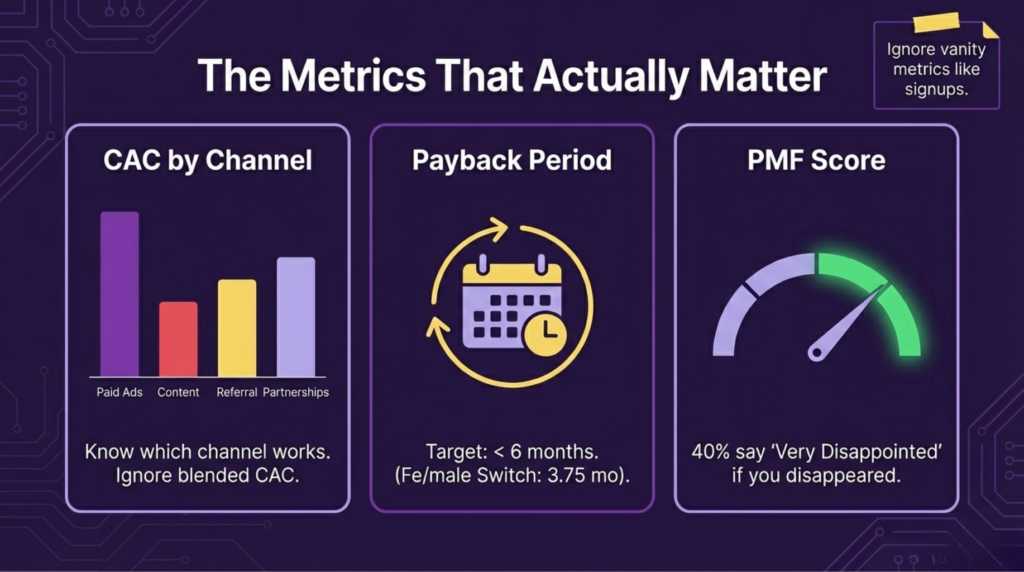
The 40% rule: At least 40% of users should say they’d be “very disappointed” if they could no longer use your product. This is the gold standard for product-market fit developed by Sean Ellis.
Other key metrics:
- Activation rate: % of signups who complete your core action
- Retention rate: % who return after 7 days and 30 days
- Engagement: Average sessions per user, time spent
- Willingness to pay: % who choose paid over free option
Set your target before launch. If your goal is “get some users and see what happens,” you’ll never know if you succeeded. If your goal is “get 100 signups with 30% trying the core feature,” you’ll know exactly where you stand.
Reality check: Most MVPs fail. CB Insights data shows 42% of startups fail because there’s no market need. Set honest targets, measure rigorously, and be willing to pivot or kill ideas that don’t hit your numbers.
3. A Clear Path to Real User Feedback
Your MVP is worthless if you can’t learn from it. Build feedback collection into your product from day one.
What to collect:
- Behavioral data: What do users actually do? (Track button clicks, page views, completion rates)
- Qualitative feedback: Why do they do it? (In-app surveys, user interviews, support tickets)
- Usage patterns: When and how often do they return?
Tools for feedback:
- Hotjar or Fullstory for user session recordings
- Typeform or Google Forms for surveys
- Calendly for booking user interviews
- Amplitude or Mixpanel for behavior analytics
The interview framework: Talk to at least 20 users in your first month. Ask open-ended questions:
- “What problem were you trying to solve when you found us?”
- “Walk me through the last time you used the product.”
- “What almost stopped you from using this?”
- “If this disappeared tomorrow, how would you feel?”
Don’t ask “Would you use feature X?” because people lie in hypotheticals. Ask about their actual behavior.
4. Fast Iteration Cycle
Your first version will be wrong. Plan for fast changes based on what you learn.
The two-week rule: Build feedback collection and basic analytics before any new features. Commit to reviewing data and user feedback every two weeks. Make one significant change per cycle based on what you learn.
What to change:
- Week 2: Fix critical bugs and confusing onboarding
- Week 4: Adjust core feature based on usage patterns
- Week 6: Add the #1 requested feature from user interviews
- Week 8: Remove features nobody uses
Example: When Groupon started, they changed deal categories weekly based on what sold. When something flopped (like a poetry reading deal), they killed that category. When something worked (spa treatments), they doubled down.
The pivot trigger: If after 8 weeks of iteration your metrics aren’t improving, you need a fundamental change. Either change the target customer, change the core problem you’re solving, or kill the project.
Data from startup failure databases shows that 90% of MVPs never make it past validation. But the 10% that do succeed because founders iterate quickly based on real user behavior, not their own assumptions.
5. Built-In Virality or Growth Mechanism
Even the best MVP fails if nobody finds it. Build growth into your product, not as an afterthought.
Organic growth tactics for MVPs:
Referral incentive: Give users a reason to invite others. Dropbox gave extra storage for referrals. Uber gave ride credits. What can you give?
Social proof: Let users share achievements publicly. “I just completed my first X with [your product]” generates curiosity.
Content creation: Help users create something shareable. Canva lets users make graphics they post online (free advertising). What does your product help users create?
Wait-list FOMO: Show “3,247 people ahead of you” on signup. Scarcity drives action. Clubhouse grew entirely on invite-only scarcity.
Community building: Create a space where users help each other. Reddit communities around niche products drive more traffic than ads.
Insider tip from Violetta Bonenkamp: She built Fe/male Switch with built-in community features where female founders share progress and unlock achievements. Each share became free marketing to other women entrepreneurs. The product growth mechanism was embedded in the game mechanics themselves.
Common MVP Mistakes Female Founders Make (And How to Avoid Them)
These seven mistakes kill MVPs before they launch. Learn from other founders’ expensive lessons.
Mistake #1: Building an MVP That’s Too “Viable”
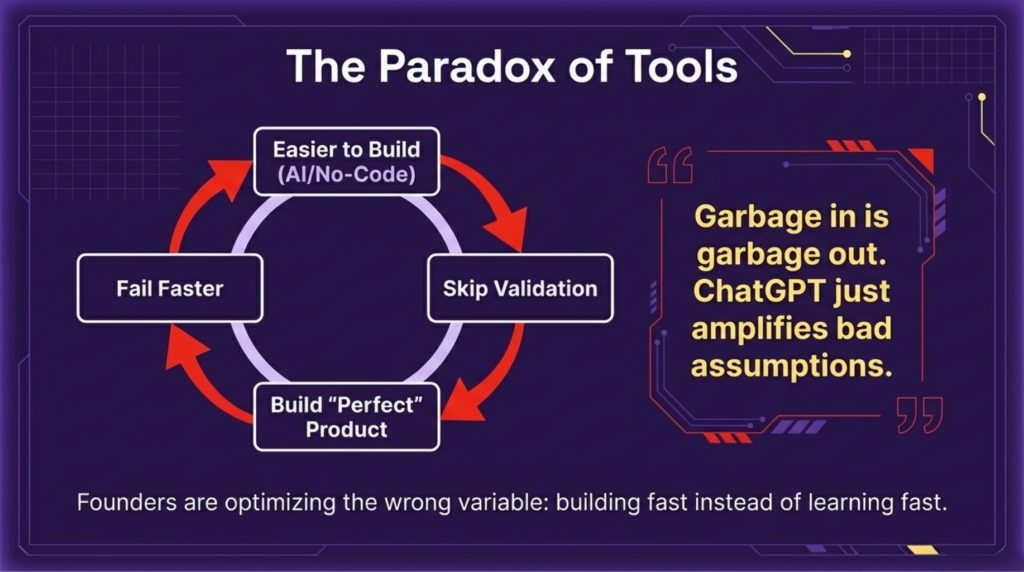
The biggest killer of MVPs in 2026: over-engineering. Founders build “small full products” instead of minimum viable experiments.
What this looks like:
- Your MVP has 15+ features
- Development takes 6+ months
- You’re building “scalable architecture” before you have users
- You’re adding edge-case features “just in case”
Why it fails: You spend months building features nobody wants. By the time you launch, you’re too invested to pivot. You’ve built based on assumptions, not validation.
The fix: Apply the One-Feature Rule. List every feature. Cross out everything except the absolute minimum needed to deliver core value. If you can deliver value without it, cut it.
Real numbers: Companies that rush into development without validation waste an average of $50,000-$150,000 and 6-9 months building features users don’t want, according to 2026 startup analysis data.
Test yourself: If someone used your MVP for 5 minutes, would they understand the value? If not, you’ve built too much.
Mistake #2: Confusing “Interest” with “Validation”
Your friends say “I love this idea” at brunch. Your coworkers say “I’d totally use that.” You think you’ve validated demand.
You haven’t.
Why this fails: People lie. Not maliciously, but humans are wired to be supportive and optimistic about hypotheticals. The only validation that matters is behavior, specifically: did someone give you money or spend significant time using your product?
The validation hierarchy:
- Best validation: Someone pays you money
- Good validation: Someone spends 30+ minutes using your MVP
- Weak validation: Someone signs up for your waitlist
- Not validation: Someone says they like your idea
The fix: Test with strangers, not friends. Friends are biased. Track behavior, not opinions. Did they click “Buy Now” or just “Learn More”? Did they return after the first session or ghost you?
Violetta’s lesson: In her early startup days, everyone said her ideas were great. But when she launched, only a fraction actually used the product. She learned to ignore praise and watch behavior. “If they don’t pull out their wallet or invest real time, it’s not validated,” she says.
Mistake #3: Targeting Everyone Instead of Someone
“This works for anyone who needs to [broad category].”
That’s not a target market. That’s a recipe for failure.
Why this fails: You can’t build for everyone. Your messaging becomes generic. Your features try to please all audiences and satisfy none. You waste time on features that only 10% of users want.
Example of too broad: “My MVP helps people be more productive.”
Example of focused: “My MVP helps solo female consultants track billable hours across multiple clients.”
The fix: Pick one persona. One specific person with one specific problem. Name them. Give them a backstory. Build only for that person.
How to get specific:
- Age range (don’t say “25-65”)
- Professional situation (freelancer vs employee vs founder)
- Current solution they use (what are they doing now?)
- Daily behavior (when do they encounter this problem?)
- Budget constraints (how much can they spend?)
Once you nail one narrow audience, you can expand. Facebook started with Harvard students only. Airbnb started with conference attendees in San Francisco who couldn’t find hotel rooms. Amazon started with book buyers.
Start narrow. Expand later.
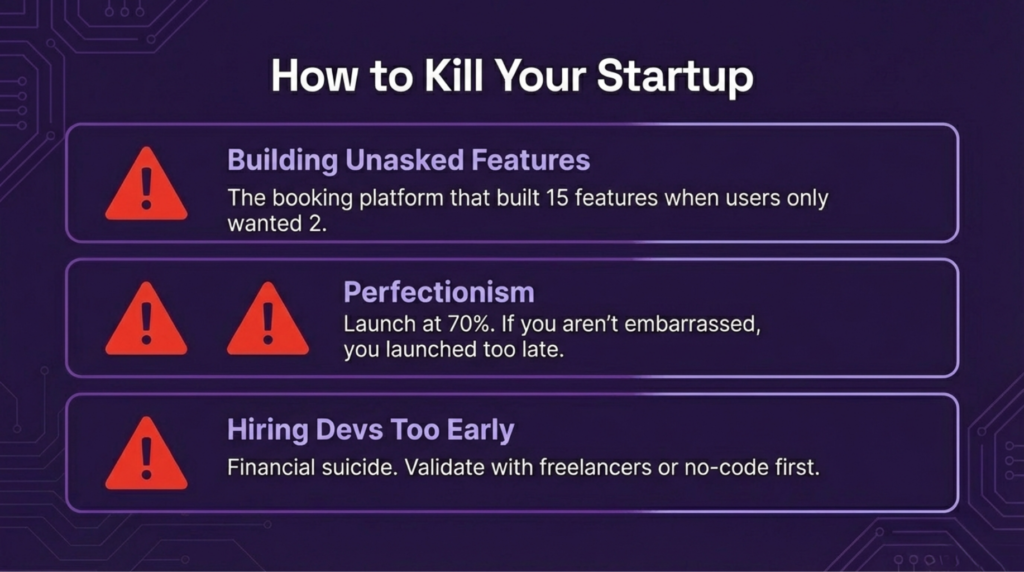
Mistake #4: Perfectionism Over Progress
You delay launch to polish the design. You rewrite copy 47 times. You add “just one more small feature” every week.
Why this fails: Perfect is the enemy of launched. Every day you spend polishing is a day you’re not learning from real users. Your perfect imaginary product is worthless compared to an imperfect real product people actually use.
The embarrassment test: If you’re not slightly embarrassed by your first version, you launched too late. This applies to nearly every successful tech company. The founders of Airbnb are embarrassed by their first website. The first iPhone didn’t have copy-paste or MMS.
The fix: Launch when your MVP delivers the core value, even if the edges are rough. Set a hard deadline. Many successful female founders use the “launch in 30 days or kill it” rule to force action over perfection.
Strategy: Version 1.0 proves the concept. Version 1.1 fixes critical bugs. Version 1.2 polishes the experience. You can’t get to 1.2 without launching 1.0.
Data point: According to startup failure research, perfectionism delays launch by an average of 3-5 months, during which competitors can enter the market, funding can run out, or market conditions can shift.
Mistake #5: Skipping the Business Model
You build an amazing product that solves a real problem. Users love it. Then you realize you have no idea how to make money.
Why this fails: “We’ll figure out monetization later” is how you end up with a hobby, not a business. Investors won’t fund products without clear revenue models. Bootstrappers can’t sustain free products forever.
The fix: Decide how you’ll make money before you build. You don’t need to charge immediately, but you need a plan.
Revenue model options:
- Direct sales: Users pay for the product (SaaS, one-time purchase)
- Freemium: Basic free, premium paid (works if free users refer paid users)
- Marketplace fee: Take percentage of transactions (if you connect buyers and sellers)
- Advertising: Free product, monetize attention (requires massive scale)
- Enterprise/B2B: Free for individuals, paid for companies
Test willingness to pay early. Even if you’re not charging yet, show pricing on your landing page. See if people click “Buy Now” before you tell them it’s not ready. That click data is pure gold.
Female founder challenge: Women entrepreneurs often underprice their products or feel guilty charging. Combat this by researching competitor pricing and starting high. You can always discount. You can rarely increase prices on existing customers.
Mistake #6: Ignoring the Data You Collect
You set up analytics. Users start coming. You’re busy building, so you don’t look at the data. Months pass. You finally check and realize 90% of users abandon on the signup page.
Why this fails: Data tells you what’s broken. If you ignore it, you keep building on a broken foundation. Small problems compound into big failures.
The fix: Schedule weekly “data review” time. Block 2 hours every Friday. Review:
- Where do users drop off?
- Which features get used? Which get ignored?
- What do support tickets complain about most?
- What are session recordings showing?
What to do with insights: Pick the biggest problem each week. Fix that. Repeat. Don’t try to fix everything at once.
Real example: One female founder building a meal planning app noticed 60% of users abandoned during recipe import. She assumed it was a tech issue. Session recordings showed users didn’t understand the import button. She changed the label from “Import” to “Add Your Recipes” and abandonment dropped to 20%. The tech was fine. The copy was broken.
Violetta’s framework: She tracks three numbers weekly for Fe/male Switch: active users, completion rate of core activity (finishing a game session), and referral rate (users inviting others). If any number drops week-over-week, she investigates immediately. This catches problems before they kill growth.
Mistake #7: Treating MVP as a One-Time Project
You launch your MVP. It goes okay. You declare success or failure and move on.
Why this fails: An MVP is not a destination. It’s the beginning of a learning cycle. The companies that succeed iterate for months or years based on user feedback.
The fix: Plan for iteration from day one. Your first version tests your riskiest assumption. Your second version tests the next assumption. You keep iterating until you find product-market fit (or run out of runway and pivot).
Iteration cycle:
- Launch MVP v1.0 with one core feature
- Collect data and feedback for 2 weeks
- Make one significant change (MVP v1.1)
- Measure if metrics improved
- Repeat until you hit product-market fit
Product-market fit signals:
- Retention rate above 80-90% monthly
- 40%+ of users would be “very disappointed” without your product
- Organic growth (users referring others without incentives)
- Media and competitors noticing you
- Support tickets shift from “how do I” to “can you also”
Female founder insight: Many women struggle with persistence after initial setbacks. Remember that nearly all successful companies pivoted or iterated extensively. Airbnb famously pivoted three times before finding their model. Instagram started as a location-based check-in app called Burbn.
Your MVP isn’t your final product. It’s your starting point for learning.
Step-by-Step: Building Your MVP in 30 Days
This is the exact process used by successful female founders to go from idea to launched MVP in one month. Follow these steps and you’ll have a live product collecting real user data by day 30.
Week 1: Validation and Planning (Days 1-7)
Day 1-2: Define Your Core Problem and Solution
Write down:
- The specific problem you’re solving (one sentence)
- Who experiences this problem (narrow persona)
- Your solution (one sentence)
- Why existing solutions fail
Example: “Female solo consultants struggle to track billable hours across multiple clients because existing time-tracking tools are built for teams, not individuals. My MVP is a simple timer that automatically categorizes time by client and generates invoices.”
Day 3-4: Validate the Problem Exists
Interview 10 people who fit your persona. Ask:
- “Tell me about the last time you experienced [problem].”
- “What did you do to solve it?”
- “Why didn’t that work perfectly?”
- “If I could solve this, how much would that be worth to you?”
Success criteria: At least 7 out of 10 people should confirm the problem is real and painful. If not, pick a different problem.
Day 5-6: Choose Your MVP Type
Based on what you learned, pick the MVP type you can launch fastest. Use the table from earlier in this guide.
Day 7: Set Success Metrics
Define exactly what proves your MVP succeeded:
- Number of users (target: 50-100 in first month)
- Activation rate (target: 30%+ complete core action)
- Retention (target: 20%+ return after 7 days)
- Willingness to pay (target: 10%+ click on pricing)
Write these down. You’ll measure against them.
Week 2: Build Your MVP (Days 8-14)
Day 8-9: Create Landing Page
Even if you’re building a product, start with a landing page that explains:
- The problem (headline)
- Your solution (subheading)
- How it works (3 bullet points)
- Call to action (signup or pre-order)
Use Carrd, Webflow, or Wix. Add email capture with Mailchimp or ConvertKit.
Day 10-14: Build Your MVP
This timeline assumes you chose a fast MVP type (landing page, concierge, or wizard of oz). If you’re building a single-feature MVP with code, give yourself 4 weeks for this phase.
For landing page MVP: Add analytics (Google Analytics + Hotjar). Drive traffic to test demand.
For concierge MVP: Create a simple way to take orders (Google Form or Typeform). Manually fulfill the first 10 orders yourself.
For wizard of oz MVP: Build a basic interface (even a form) that takes customer requests. Behind the scenes, you fulfill everything manually.
For piecemeal MVP: Connect your existing tools (Airtable + Zapier + Stripe + whatever else you need). Test the workflow yourself.
Critical rule: Do not add features beyond your core solution. Every hour spent on “nice to have” features is an hour wasted.
Week 3: Launch and Learn (Days 15-21)
Day 15: Soft Launch
Share your MVP with 20-30 people from your validation interviews. Don’t announce publicly yet. Watch what they do.
Day 16-18: Observe and Fix Critical Issues
Watch session recordings. Read feedback. Fix anything that completely blocks users from experiencing value. Don’t fix cosmetic issues or add features yet.
Day 19-21: Conduct User Interviews
Book 10 calls with people who tried your MVP. Ask:
- “Walk me through what you did.”
- “What confused you?”
- “What almost made you quit?”
- “On a scale of 1-10, how disappointed would you be if this disappeared?”
Take notes on patterns. If 5+ people mention the same issue, it’s real.
Week 4: Iterate and Scale (Days 22-30)
Day 22-24: Make One Big Fix
Based on your data and interviews, identify the single biggest problem. Fix only that. Launch version 1.1.
Day 25-27: Public Launch
Now announce publicly. Share on:
- Your personal social media
- Relevant online communities (Reddit, Facebook groups, LinkedIn)
- Product Hunt (if it’s a tech product)
- Your email network
Day 28-30: Measure Against Your Success Criteria
Pull your metrics. Compare to the targets you set on Day 7.
Did you hit your targets? Excellent. Scale up marketing and continue iterating based on user feedback.
Did you miss your targets? That’s normal. Review your data. Identify why users didn’t activate or return. Make changes. Test again for another 2 weeks.
Did you miss targets badly (like 10% of goal)? Time for honest assessment. Either:
- Your problem isn’t painful enough
- Your solution doesn’t actually solve it
- You’re targeting the wrong audience
Consider a significant pivot or killing the project.
Violetta’s advice: Most female founders quit too early. If you have any positive signals (even 5 engaged users), keep iterating. But if after 2 months of iteration you have zero traction, be honest about whether this idea has legs.
Tools and Resources for Building MVPs Without Code
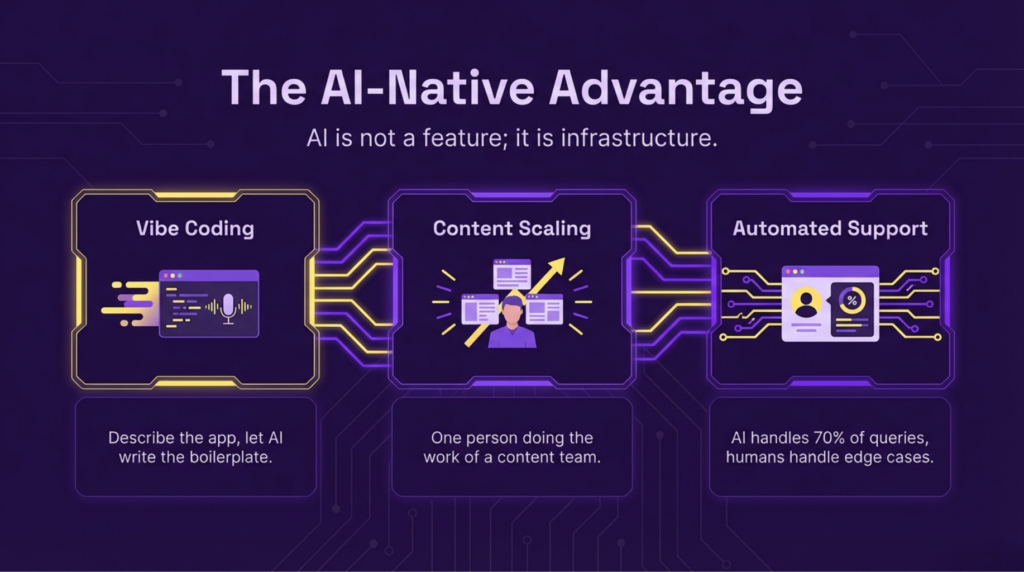
You don’t need to be technical or hire developers to build many types of MVPs. Here are the exact tools successful female founders use.
Landing Page and Website Builders
Carrd – Simple one-page sites. Perfect for landing page MVPs.
Cost: Free to $19/year
Best for: Testing demand before building
Webflow – More design control, professional look.
Cost: Free plan available, paid plans from $14/month
Best for: When design matters for your brand
Wix – User-friendly, lots of templates.
Cost: Free plan available, paid plans from $16/month
Best for: Quick launches without tech skills
No-Code App Builders
Bubble – Build full web apps without code.
Cost: Free plan available, paid plans from $29/month
Best for: Complex workflows and user interactions
Softr – Turn Airtable databases into web apps.
Cost: Free plan available, paid plans from $49/month
Best for: Database-driven products
Glide – Turn Google Sheets into mobile apps.
Cost: Free plan available, paid plans from $25/month
Best for: Simple mobile apps and internal tools
Automation and Backend
Zapier – Connect different tools and automate workflows.
Cost: Free plan available, paid plans from $19.99/month
Best for: Connecting your piecemeal MVP parts
Make (formerly Integromat) – More powerful automation than Zapier.
Cost: Free plan available, paid plans from $9/month
Best for: Complex multi-step workflows
Airtable – Spreadsheet-database hybrid.
Cost: Free plan available, paid plans from $10/month per user
Best for: Managing data and creating simple backends
Payment Processing
Stripe – Accept payments online.
Cost: 2.9% + $0.30 per transaction
Best for: Most online businesses
Gumroad – Sell digital products easily.
Cost: Free plan (10% fee), paid plan (3.5% fee) from $10/month
Best for: Selling courses, ebooks, templates
PayPal – Widely accepted, easy to set up.
Cost: 2.99% + $0.49 per transaction
Best for: International transactions
Forms and Surveys
Typeform – Beautiful, engaging forms.
Cost: Free plan available, paid plans from $25/month
Best for: Surveys and user feedback
Google Forms – Simple and free.
Cost: Free
Best for: Basic data collection
Tally – Free form builder with better design than Google Forms.
Cost: Free
Best for: When you want style without cost
Analytics and User Research
Google Analytics – Track website traffic.
Cost: Free
Best for: Understanding where users come from
Hotjar – Session recordings and heatmaps.
Cost: Free plan available, paid plans from $39/month
Best for: Seeing how users actually interact with your site
Mixpanel – Track user behavior in apps.
Cost: Free plan available, paid plans from $20/month
Best for: Understanding which features users engage with
Email and Communication
Mailchimp – Email marketing and automation.
Cost: Free up to 500 contacts, paid plans from $13/month
Best for: Newsletter and email sequences
ConvertKit – Email for creators.
Cost: Free up to 300 subscribers, paid plans from $15/month
Best for: Female founders building personal brands
Calendly – Schedule user interviews automatically.
Cost: Free plan available, paid plans from $10/month
Best for: Booking customer discovery calls
Design and Prototyping
Figma – Design interfaces and prototypes.
Cost: Free for individuals
Best for: Creating clickable mockups before coding
Canva – Easy graphic design.
Cost: Free plan available, Pro from $12.99/month
Best for: Creating marketing materials and social graphics
The $0 MVP Stack
You can build and launch an MVP with zero budget using:
- Carrd (free plan) – landing page
- Google Forms (free) – collect signups or orders
- Gmail (free) – communicate with customers
- Your time (free) – manually fulfill orders
- Social media (free) – drive traffic
- Google Analytics (free) – track visitors
This stack works for concierge MVPs, wizard of oz MVPs, and landing page MVPs.
The $100/Month MVP Stack
For $100/month you can build something much more sophisticated:
- Webflow ($14/month) – professional website
- Mailchimp ($13/month) – email marketing
- Zapier ($19.99/month) – automation
- Airtable ($10/month) – database
- Stripe (only pay per transaction) – payments
- Hotjar ($39/month) – user analytics
- Calendly (free) – interview scheduling
This stack works for piecemeal MVPs and some single-feature MVPs.
Violetta’s tool recommendation: She built the first version of Fe/male Switch using Airtable for data, Zapier for automation, and Mailchimp for communication. Total cost under $50/month. Only after validating the concept did she invest in custom development.
Real MVP Success Stories from Female Founders
These women started with MVPs, validated their ideas, and built successful businesses. Their stories show exactly how MVPs work in practice.
Sara Blakely: Spanx ($1.2 Billion)
Sara Blakely started with $5,000 in savings and a simple MVP: prototype footless pantyhose she cut herself. Her MVP wasn’t a website or an app. It was a physical product she made by hand.
Her validation process:
- Wore the prototype under clothes
- Got feedback from friends at parties
- Cold-called hosiery mills (got rejected by all of them)
- Finally convinced one mill to manufacture
MVP lesson: She didn’t wait for perfect packaging or retail partnerships. She validated that women wanted footless pantyhose by wearing them herself and watching reactions. Only after confirming demand did she invest in manufacturing.
What happened: Spanx now generates $400 million in annual revenue. Sara Blakely became the youngest self-made female billionaire.
Whitney Wolfe Herd: Bumble ($13 Billion Valuation)
Whitney Wolfe Herd launched Bumble with an MVP that had one core feature differentiating it from Tinder: women message first.
Her validation process:
- Built basic swipe-right interface (proven model from Tinder)
- Added ONE new rule: only women can initiate conversations
- Launched at college campuses (narrow audience)
- Tracked engagement and user feedback
MVP lesson: She didn’t reinvent dating apps. She took a proven concept and changed one variable. This let her test whether her core hypothesis (women want control over messaging) was true without rebuilding everything.
What happened: Bumble went public in 2021. Whitney became the world’s youngest self-made female billionaire at 31.
Melanie Perkins: Canva ($26 Billion Valuation)
Melanie Perkins started Canva with an MVP called Fusion Books, an online tool for creating school yearbooks.
Her validation process:
- Targeted one specific audience (Australian high schools)
- Built simple drag-and-drop interface
- Manually handled customer support and design questions
- Collected feedback on what features students needed
MVP lesson: Canva didn’t start as the full graphic design platform it is today. Melanie validated the core concept (easy drag-and-drop design) with one narrow use case (yearbooks) before expanding to presentations, social media graphics, and everything else.
What happened: Canva now has 185 million monthly active users across 190 countries. Melanie is Australia’s third-richest person.
Anne Wojcicki: 23andMe ($1 Billion+ Valuation)
Anne Wojcicki launched 23andMe with an MVP that did one thing: provide ancestry information from DNA.
Her validation process:
- Started with ancestry reports only (not health data)
- Simple spit-in-a-tube kit
- Basic web interface showing ethnic breakdown
- Priced at $999 to test willingness to pay
MVP lesson: She could have launched with full genetic health screening. Instead, she validated demand for consumer DNA testing with the simplest possible offering: ancestry. Only after proving people would pay for genetic data did she expand into health insights.
What happened: 23andMe has tested over 12 million customers. The company went public via SPAC in 2021.
Violetta Bonenkamp: Fe/male Switch
Violetta Bonenkamp built Fe/male Switch using her “gamepreneurship” methodology after years of founding and scaling startups.
Her MVP approach:
- Started with manual game sessions (concierge MVP)
- She personally acted as “Game Master” for small groups
- Tested whether gamification actually helped women learn startup skills
- Collected feedback on game mechanics and learning outcomes
- Only after validating the concept did she build the digital platform
Her validation process:
- Created prototype game mechanics on paper
- Ran sessions with 20-30 female founders
- Tracked completion rates and skill improvement
- Asked whether participants would pay for continued access
- Iterated game structure based on what worked
MVP lesson: Violetta’s extensive background (MBA, 20+ years work experience, 10 years as entrepreneur, founder of CADChain which grew from 4 to 25 FTEs, recognized as Top 100 women in Europe) taught her that validation beats perfection. She manually delivered the experience before automating it.
What happened: Fe/male Switch became a patented educational simulator attracting media attention across Europe. The methodology has helped hundreds of women launch their first startups.
Common Threads in These Success Stories
All these female founders followed the same pattern:
- Started narrow – One audience, one problem, one solution
- Validated before scaling – Proved demand with minimal investment
- Iterated based on data – Let users shape the product
- Expanded after proof – Only added features once core value was proven
- Didn’t wait for perfect – Launched “embarrassingly simple” first versions
None of them started with the full vision. They started with an MVP, learned from users, and built based on real demand rather than assumptions.
Your MVP Success Checklist
Use this checklist to ensure your MVP has the highest chance of success. Check each box before you launch.
Pre-Build Checklist
- I can describe my core problem in one sentence
- I’ve talked to at least 10 people who experience this problem
- At least 70% of those people confirmed it’s painful
- I can describe my target customer specifically (not “everyone”)
- I know what existing solutions they use today
- I’ve chosen my MVP type based on my resources
- I’ve set specific, measurable success criteria
- I have a plan to get my first 50 users
Build Checklist
- My MVP solves exactly ONE core problem
- I’ve removed every non-essential feature
- Users can experience value in under 5 minutes
- I have analytics/tracking set up
- I have a way to collect user feedback
- I can manually handle user requests if needed
- I’ve included a clear call-to-action
- I know how I’ll eventually make money
Launch Checklist
- I’ve tested the MVP myself 10+ times
- I’ve had 3+ other people test it
- Critical bugs are fixed (not cosmetic issues)
- I have a landing page explaining the value
- I have analytics tracking key actions
- I know where I’ll find my first users
- I have a plan to collect feedback weekly
- I’m emotionally prepared for negative feedback
Post-Launch Checklist
- I’m tracking my success metrics weekly
- I’m conducting user interviews every 2 weeks
- I’m watching session recordings to see behavior
- I’m responding to all user feedback within 24 hours
- I’ve made at least one improvement based on data
- I know what I’ll test/change next
- I have a schedule for iteration cycles
- I’m prepared to pivot if metrics don’t improve
Product-Market Fit Checklist
You’ve achieved product-market fit when:
- 40%+ of users would be “very disappointed” without your product
- Retention rate is 80-90% month-over-month
- Users refer others without incentives (organic growth)
- Your main challenge is scaling, not finding users
- Media or competitors start noticing you
- Support tickets shift from “how to use” to “can you also add”
- Revenue is growing month-over-month (if monetized)
- You’re confident in your unit economics
Frequently Asked Questions
What’s the difference between an MVP and a prototype?
A prototype is a mockup or demonstration that shows how your product might work. It’s not meant for real users and doesn’t collect real behavioral data. An MVP is a real product that actual customers use, even if it’s extremely simple. The key difference is that an MVP goes to market and generates validated learning from genuine user behavior, while a prototype stays in the lab.
Think of it this way: a paper sketch of your app is a prototype. A clickable landing page where people can sign up and pay is an MVP. The prototype helps you think through the concept. The MVP tests whether customers actually want it.
How long should it take to build an MVP?
It depends on your MVP type, but if it’s taking longer than 4-6 weeks, you’re probably over-building. Landing page MVPs should take 1-2 days. Concierge and wizard of oz MVPs can launch within a week since you’re delivering manually. Single-feature MVPs with basic coding might take 2-4 weeks. If you’re past 8 weeks and still building, stop and reassess. You’ve likely drifted from “minimum” to “feature-complete.”
The fastest path to learning is launching fast with something simple, not waiting months to launch something polished. Violetta Bonenkamp recommends the “30-day challenge” where you force yourself to launch something in one month or kill the idea. This prevents perfectionism from delaying learning.
Remember, your first version will be wrong anyway. Launch faster so you can iterate based on real feedback rather than assumptions.
How much does it cost to build an MVP?
Cost varies dramatically based on MVP type. Landing page MVPs cost $0-$100 using no-code tools like Carrd or Webflow. Concierge MVPs cost only your time since you’re manually delivering the service. Piecemeal MVPs using existing tools typically cost $50-$200 per month for subscriptions to services like Airtable, Zapier, and Stripe.
If you’re building a single-feature MVP with custom code and you’re not technical yourself, hiring a developer might cost $2,000-$10,000 depending on complexity. Physical product MVPs vary widely but you can often create prototypes for $500-$2,000 before manufacturing.
The real insight: most female founders over-invest in their first version. Start with the cheapest MVP type that tests your riskiest assumption. Sara Blakely started Spanx with $5,000 total. Many successful tech companies started with $0 landing pages and manual fulfillment.
Don’t let budget be your excuse. You can validate almost any idea with under $100 if you’re willing to do manual work initially.
How many users do I need to validate my MVP?
Quality matters more than quantity. You can get meaningful validation from 20-50 engaged users who match your target persona. What matters is their behavior: are they using your core feature repeatedly? Are they willing to pay? Would they be disappointed if it disappeared?
For quantitative validation, follow the 40% rule from Sean Ellis: survey your users and ask “How would you feel if you could no longer use this product?” If at least 40% answer “very disappointed,” you’ve found product-market fit. This typically requires at least 40-50 responses to be statistically meaningful, so aim for 100+ users to survey.
For qualitative validation, conduct deep interviews with 10-20 users. These conversations reveal why people use your product, what problems remain, and whether you’re solving the right problem.
Don’t chase vanity metrics like “10,000 signups.” Ten engaged, paying users who love your product are more valuable than 10,000 signups who never return. Focus on quality of engagement, not quantity of accounts.
What if my MVP fails?
First, understand that most MVPs “fail” in the sense that they don’t immediately achieve product-market fit. This is normal and expected. The question is whether you’re learning and improving.
If your MVP fails to hit your success metrics, you have three options: pivot, persevere, or kill it. Pivot means changing a fundamental aspect like your target customer, the problem you’re solving, or your solution approach. Persevere means making incremental improvements and iterating. Kill it means admitting this idea won’t work and moving on.
How do you decide? If after 2-3 months of genuine iteration you see zero positive signals (no engaged users, no revenue, no retention), it’s probably time to kill the project. If you see small but growing signals (5-10 engaged users, slowly improving retention, positive feedback), persevere and keep iterating. If you’re getting feedback that a different audience or problem would be better served, pivot.
The most common mistake female founders make is quitting too early. Don’t kill your idea after one bad week. But also don’t become emotionally attached to an idea that clearly isn’t working after months of effort. Use data to decide, not emotions.
Violetta Bonenkamp pivoted three times before finding product-market fit with Fe/male Switch. Each “failure” taught her something that informed the next attempt. That learning compounds.
Can I skip the MVP and just build the full product?
You can, but the data says you probably shouldn’t. CB Insights found that 42% of startups fail because there’s no market need for their product. Building the full product first means you’re betting months or years and tens of thousands of dollars on your assumptions being correct.
The few scenarios where you might skip an MVP: if you have deep domain expertise and you’re building something you personally struggled with for years (you are your own validation), if you’re in a regulated industry where partial solutions can’t legally launch, or if you’re building something truly revolutionary where you need the full vision to demonstrate value.
Even in these cases, you can still test assumptions. Pharmaceutical companies can’t sell unfinished drugs, but they can survey patients about whether the problem is worth solving. Enterprise software might need more features than consumer products, but you can start with one company as a design partner rather than building for everyone.
The risk of skipping MVPs: you build features nobody wants, you solve problems that aren’t painful enough, and you waste resources that could have gone toward the right solution. Most successful companies that seem like they “skipped the MVP phase” actually started with much simpler versions than what we see today. Amazon sold only books. Facebook was only for Harvard students. Airbnb was just air mattresses in the founder’s apartment.
How do I know when to add features to my MVP?
The simple rule: add features only when real users request them repeatedly, not when you think they might be useful. If 5+ users ask for the same feature independently, it’s worth considering. If you’re just imagining that users might want something, it’s not time yet.
Prioritize features using the impact vs effort framework. High-impact, low-effort features go first. High-impact, high-effort features go next. Low-impact features, regardless of effort, stay on the backlog indefinitely.
Watch your analytics closely. If users are trying to do something your MVP doesn’t support (you’ll see them clicking around or abandoning at certain points), that’s a signal to add functionality. If nobody is even using your current features, don’t add more.
The biggest mistake is adding features to increase signups when your real problem is retention. More features won’t help if users aren’t finding value in what you already built. Fix the core experience first, then expand.
Violetta’s approach: she reviews Fe/male Switch usage data every two weeks and user feedback from interviews monthly. Only features requested by multiple users and supported by usage patterns get added. This discipline prevents feature bloat.
Should I charge money for my MVP?
If at all possible, yes. Even if it’s a small amount like $5-$20, charging for your MVP provides the best validation signal. People who pay are infinitely more invested than people who sign up for free.
Charging early also forces you to articulate your value proposition clearly. If you can’t convince people to pay $10, how will you convince them to pay $100 later?
When to offer an MVP for free: if you’re in a two-sided marketplace and you need users before you can demonstrate value (like a dating app with no other users), if you’re building network effects where the product becomes more valuable with more users, or if your monetization model is advertising or B2B while your MVP users are consumers.
Even in these cases, consider charging something. Offer a “lifetime founder’s discount” of 90% off your planned price. This tests willingness to pay while growing your user base.
Many female founders undercharge or feel guilty asking for money. Combat this by focusing on the value you create. If you save someone 5 hours per week, that’s worth hundreds of dollars. Price based on value created, not on your costs or your discomfort with charging.
What if competitors already exist in my space?
Good. Competitors validate that the market exists. The lack of competition often means there’s no market, not that you’ve found an untapped opportunity.
Your MVP should solve the problem differently or serve a different segment. Study what competitors do well and what users complain about. Your MVP can focus on the gaps. Maybe existing solutions are too complex (you build something simpler), too expensive (you build something affordable), too enterprise-focused (you build for individuals), or too general (you build for a specific niche).
Don’t try to build every feature competitors have. Start narrow and do one thing better than anyone else. Facebook wasn’t the first social network. Google wasn’t the first search engine. They just served specific audiences better than existing options.
If you discover competitors during MVP development, don’t panic and don’t quit. Analyze what they’re doing, identify their weaknesses, and position your MVP as the alternative for people who aren’t satisfied with current options. Competition validates demand, which is the hardest part to prove.
How technical do I need to be to build an MVP?
Not very, if you choose the right MVP type. Landing page MVPs, concierge MVPs, wizard of oz MVPs, and piecemeal MVPs all require little to no coding skills. No-code tools like Bubble, Webflow, Airtable, and Zapier let you build sophisticated products without writing code.
Many successful female founders are non-technical and built their first versions using no-code tools or by manually delivering services. Once they validated demand, they hired technical help to automate and scale.
What you do need: clarity about what problem you’re solving, willingness to learn basic tools, and comfort with testing and iteration. Technical skills can be learned or hired. Vision and customer understanding cannot.
If your product absolutely requires custom development, consider finding a technical co-founder or using your MVP phase to prove the concept well enough to raise funding for development. Many startups have raised pre-seed funding with just landing pages and customer interviews showing strong demand.
Violetta Bonenkamp has deep technical expertise from her background in deeptech, blockchain, and AI, but she built Fe/male Switch’s first version using mostly no-code tools and manual processes. Technical sophistication came after validating that the gamification approach worked.
Next Steps: Launch Your MVP This Month
You now know exactly what an MVP is, why it matters, and how to build one. The only thing left is to start.
Here’s your action plan for the next 30 days:
This Week:
- Define your core problem and solution (one sentence each)
- Interview 10 people who experience this problem
- Choose your MVP type based on your resources
- Set your success metrics
Week 2:
- Build your landing page (even if you’re building a product)
- Build your MVP (or start manual delivery)
- Set up basic analytics
Week 3:
- Launch to your first 20 users
- Watch what they do and conduct interviews
- Fix critical issues
Week 4:
- Make one significant improvement
- Launch publicly
- Measure against your success criteria
The Reality Check
Most people who read this guide won’t build anything. They’ll keep planning, researching, and perfecting their idea in their heads. Don’t be most people.
Your first version will be imperfect. Your messaging will be unclear. Your design will be rough. That’s fine. The founders who succeed aren’t the ones with perfect first versions. They’re the ones who launched imperfect versions, learned from users, and iterated quickly.
The female founders profiled in this guide—Sara Blakely, Whitney Wolfe Herd, Melanie Perkins, Anne Wojcicki, Violetta Bonenkamp—all started with simple MVPs that they were slightly embarrassed by. They all faced rejection, criticism, and setbacks. They succeeded because they launched anyway and kept improving.
Your Turn
Women entrepreneurs already face funding gaps, credibility challenges, and imposter syndrome. Don’t add perfectionism to that list. Your MVP doesn’t need to be perfect. It needs to be real.
Launch something this month. Learn from real users. Iterate based on data. Build a company that matters.
The world needs more female founders building solutions. Start with your MVP today.